Key takeaways
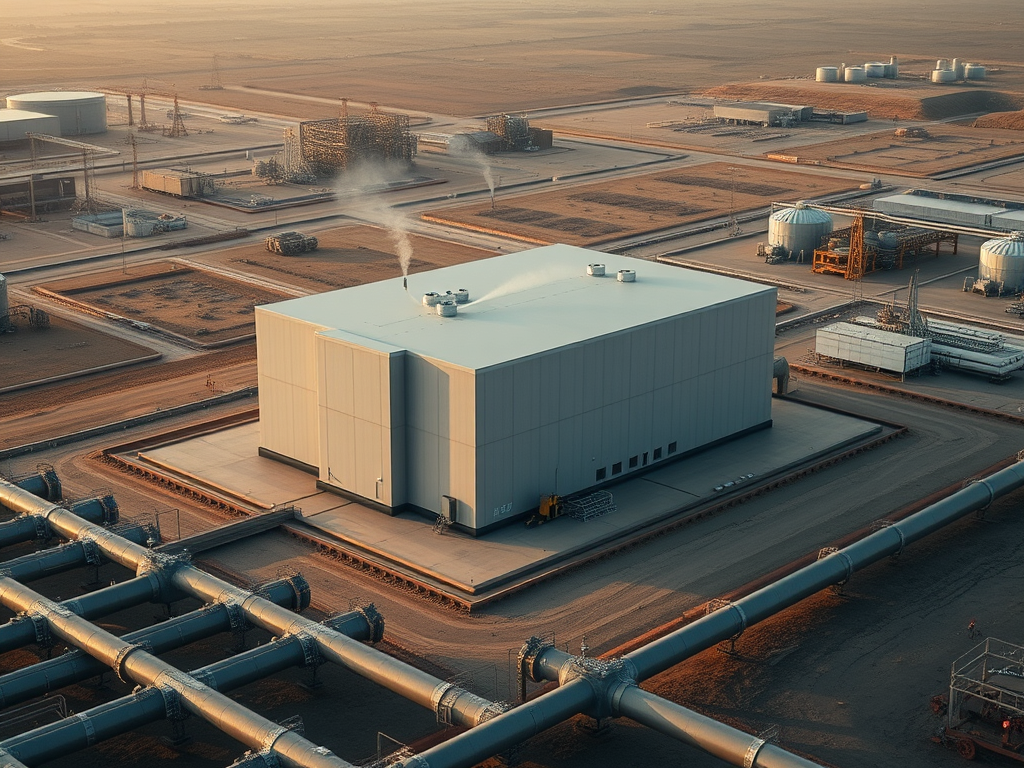
- Small modular reactors could supply carbon-free electricity and process heat to repurpose some of the Permian Basin’s roughly 25 million barrels per day of produced water.
- Nuclear-powered produced water treatment in the Permian Basin could free local natural gas, create a new water resource, and help address injection-related induced seismicity.
- Reactor heat suits thermal distillation, which handles hydrocarbon-contaminated, high-salinity oilfield water that can severely challenge reverse osmosis systems.
- Mobile reactors would reduce drilling and price risk for water operators but are likely at least 5 years behind fixed American-made SMRs licensed for 40 years.
- Permian SMR projects could add revenue by serving carbon capture projects, brine mineral extraction, and behind-the-meter power for bitcoin miners or AI computing clusters.
“We need a Manhattan Project to deal with the produced water.”
— Kirk Edwards, former chairman of the Permian Basin Petroleum Association, April 2025[1]
Gabriel Collins, “Small Modular Reactors for Nuclear Desalination and Cogeneration in the Permian Basin,” Rice University’s Baker Institute for Public Policy, May 7, 2025, https://doi.org/10.25613/M0CA-RR71.
Nuclear energy can potentially supply baseload, carbon-free electricity and process heat to repurpose and utilize some of the Permian Basin’s roughly 25 million barrels per day of oilfield produced water.[2] Doing so would free up local natural gas supplies for other uses, create a new water resource, and help address increasingly significant challenges with induced seismicity related to injection disposal of produced water.
Furthermore, reactors’ substantial heat output is well-suited for thermal distillation — the most robust process for oilfield waters whose variable quality, including contamination with hydrocarbons and high salinity, can severely challenge reverse osmosis-based treatment systems.[3] If a modern Manhattan Project is needed to handle produced water, the core tools of the original Manhattan Project could potentially be very well suited for the task.
This simple analysis aims to sketch out first cut techno-economic parameters of how water treatment might look. Oilfield applications of distributed power would align well with new Texas policy that explicitly recommends using advanced technology to treat oilfield produced water.[4] Many small modular reactor designs could also likely physically fit onto pad sizes similar to what the water midstream industry already uses for recycling and treatment operations.
This analysis ultimately aims to drive additional conversations with parties including the Texas Produced Water Consortium, Abilene Christian University, Natura Resources, Oklo, NuScale, Blue Energy and many others who are focused on — or who could help address — various challenges invoked by oilfield water management, power, and energy issues.
The small modular reactors currently being developed by NuScale Oklo, Holtec, and other firms are all ultimately fixed assets designed to operate for a licensed lifetime of 40 years in a single location. If mobile reactors came to market, water treatment operators might prefer those given that their mobility would reduce drilling and commodity price risk because they could be moved to follow the action and could be redeployed during oil price swings.
But those are likely at least 5 years further into the future than the first commercially deployable, American-made fixed location SMRs. Russia has deployed mobile barge-based SMRs but such platform types would not be suitable in the major U.S. oil & gas basins, which are located hundreds of miles inland.
There are also additional potential monetization pathways, including: pairing
desalination oriented SMR modules with carbon capture and sequestration projects that need electricity and heat, partnering with firms seeking to extract minerals from concentrated reject brines, and if additional reactors can be added to the pad and negotiated operational footprint, providing dedicated behind the meter power to bitcoin miners and/or high-performance computing clusters handing AI workloads. A new Manhattan Project for handling the ongoing produced water tsunami by bringing low emissions, high density nuclear energy and heat supplies can open a new era of “the nuclear oilfield.”
View the full paper (PDF).
Frequently asked questions
How much produced water does the Permian Basin generate?
The Permian Basin generates roughly 25 million barrels per day of oilfield produced water, according to Gabriel Collins’s Baker Institute analysis. Only some of that volume could be repurposed with nuclear-powered treatment, because a portion of reported produced water flows is already committed to enhanced oil recovery waterflood projects.
Why use nuclear reactors to desalinate oilfield produced water?
Nuclear reactors can supply baseload, carbon-free electricity and the large heat output that thermal distillation requires. Thermal distillation suits oilfield water whose variable quality, including hydrocarbon contamination and high salinity, can severely challenge reverse osmosis systems. Nuclear power would also free local natural gas for other uses and create a new water resource.
Could mobile nuclear reactors be used for produced water treatment instead of fixed SMRs?
Mobile reactors could appeal to water treatment operators because they could follow drilling activity and be redeployed during oil price swings. However, Collins estimates they are likely at least 5 years further away than the first commercially deployable American-made fixed SMRs, which are designed for a 40-year licensed lifetime in one location.
What other revenue could a Permian Basin SMR desalination project earn?
Beyond water treatment, the analysis identifies several possible monetization pathways. These include supplying electricity and heat to carbon capture and sequestration projects, partnering with firms extracting minerals from concentrated reject brines, and, if more reactors fit on the pad, providing behind-the-meter power to bitcoin miners or AI computing clusters.
How could nuclear desalination help with induced seismicity in the Permian Basin?
Nuclear-powered treatment could help address induced seismicity by giving produced water a use other than injection disposal, which the analysis links to increasingly significant seismicity challenges. Collins argues the same approach would also create a new water resource and free local natural gas supplies for other uses.
Notes
[1] Benoit Morenne, “The Oil Patch’s ‘Manhattan Project’: How to Fix Its Gargantuan Water Problem,” The Wall Street Journal, 21 April 2025, https://www.wsj.com/business/energy-oil/the-oil-patchs-manhattan-project-how-to-fix-its-gargantuan-water-problem-aebda706.
[2] The qualifier “some” is used because a portion of reported produced water flows are pre-obligated for enhanced oil recovery waterflood projects.
[3] Khamis, Ibrahim. “Overview of Nuclear Desalination Technologies & Costs.” Presentation at the Nuclear Energy Agency Workshop on Nuclear Co-Generation, Paris, France, November 15, 2011. https://www.oecd-nea.org/ndd/workshops/nucogen/presentations/8_Khamis_Overview-nuclear-desalination.pdf.
[4] “Deploying a World-Renowned Advanced Nuclear Industry in Texas,” Texas Advanced Nuclear Reactor Working Group, November 2024, https://gov.texas.gov/uploads/files/press/TANRWG_Advanced_Nuclear_Report_v11.17.24c_.pdf.



Leave a Reply