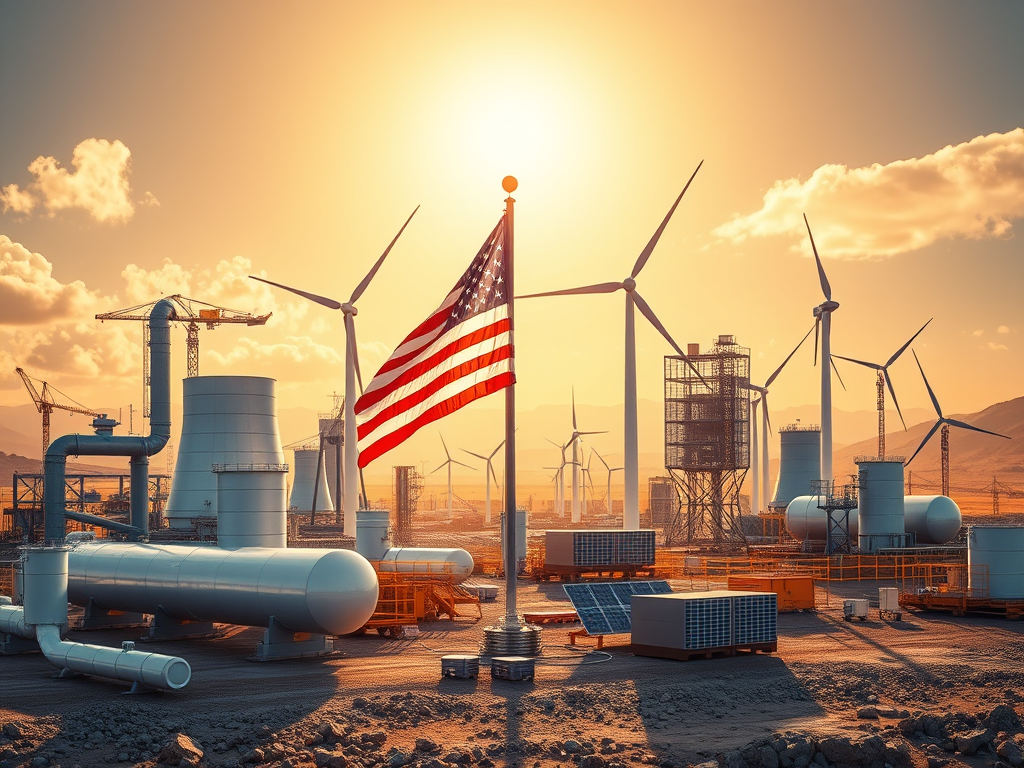
Supplying the world with power will enhance U.S. security.
Full Citation: Gabriel Collins, “America Should Lead the Fight Against Global Energy Poverty,” Foreign Policy, March 20, 2025, https://foreignpolicy.com/2025/03/20/america-energy-poverty-china-power/.
Global events during the past several years make three things crystal clear: Energy security is national security, abundant energy is an irreplaceable tool for adapting to climate volatility and improving living standards, and U.S. diplomacy abroad is only as credible as the concrete options and solutions the country brings to the table. In some cases, these are fully private solutions, such as the liquefied natural gas (LNG) exports that helped Europe weather the cutoff of Russian gas supplies resulting from Moscow’s 2022 invasion of Ukraine. In others, they are government-facilitated efforts, such as the power grid resilience efforts that the U.S. Agency for International Development led in the Philippines, Thailand, Ukraine, and other countries.
Washington should openly embrace and lead the fight against global energy poverty. The same way the Green Revolution enhanced U.S. power and position by improving food security across the global south two generations ago, so too can an energy abundance revolution bolster the U.S. strategic position in this generation’s great-power competition.
The United States’ tremendous resource base, technological capabilities, and industrial prowess position it to first ensure that U.S. citizens do not face “heat versus eat” decisions and then to build a better world for the billions of people who still live in energy poverty. Full pursuit of these two vital priorities will cement Americans’ own prosperity and strategic position.
Full Text Here: https://foreignpolicy.com/2025/03/20/america-energy-poverty-china-power/
Frequently asked questions
Why should the United States lead the fight against global energy poverty?
Gabriel Collins argues that leading the fight against global energy poverty would strengthen U.S. security and its position in great-power competition. He holds that energy security is national security, that abundant energy helps societies adapt to climate volatility and raise living standards, and that U.S. diplomacy is only as credible as the concrete solutions it offers.
How did U.S. LNG exports help Europe after Russia invaded Ukraine?
U.S. liquefied natural gas exports helped Europe weather the cutoff of Russian gas supplies that followed Moscow’s 2022 invasion of Ukraine. Collins cites this as an example of a fully private solution that gave U.S. diplomacy concrete options to bring to the table, reinforcing his point that energy security is national security.
What does the Green Revolution have to do with energy poverty?
Collins uses the Green Revolution as a historical model for an energy abundance revolution. Two generations ago, improving food security across the global south enhanced U.S. power and position. He argues that expanding energy access for the billions still living in energy poverty could similarly bolster the U.S. strategic position in today’s great-power competition.
What does ‘heat versus eat’ mean in energy policy?
‘Heat versus eat’ describes households forced to choose between paying for energy and paying for food. Collins argues the United States should first use its resource base, technology, and industrial prowess to ensure its own citizens avoid such decisions, and then help build a better world for people abroad who still live in energy poverty.
What role has USAID played in power grid resilience abroad?
The U.S. Agency for International Development led power grid resilience efforts in the Philippines, Thailand, Ukraine, and other countries. Collins presents these as government-facilitated examples of the concrete solutions that make U.S. diplomacy credible, complementing private efforts such as LNG exports, within his broader case for U.S. leadership against energy poverty.


Leave a Reply